
Psoriasis is a chronic skin condition that affects millions of people worldwide. As a dermatologist, I aim to provide you with comprehensive information about psoriasis, its causes, symptoms, and treatment options, so you can better understand and manage this condition.
What is Psoriasis?
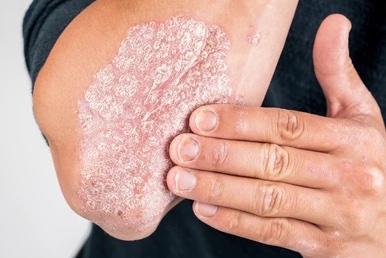
Psoriasis is a long-term skin disorder characterized by patches of thickened, inflamed, red skin, often covered with silvery scales. These patches, known as plaques, can appear anywhere on the body but are most commonly found on the elbows, knees, scalp, and lower back.
Causes of Psoriasis
The exact cause of psoriasis is not fully understood, but it is believed to result from a combination of genetic, immune, and environmental factors. Here’s a brief overview:
- Genetics: Psoriasis often runs in families, and certain genes have been identified that make individuals more susceptible to the condition.
- Immune System: Psoriasis is thought to be an autoimmune condition, where the immune system mistakenly attacks healthy skin cells.
- Environmental Triggers: Factors such as infections, skin injuries, stress, and certain medications can trigger or worsen psoriasis flare-ups.
Symptoms of Psoriasis
Psoriasis symptoms can vary widely from person to person. Common symptoms include:
- Red patches of skin covered with thick, silvery scales
- Dry, cracked skin that may bleed
- Itching, burning, or soreness
- Thickened, pitted, or ridged nails
- Swollen and stiff joints (in some cases)
Types of Psoriasis
There are several types of psoriasis, each with its own set of symptoms:
- Plaque Psoriasis: The most common type, characterized by dry, raised patches of skin covered with scales.
- Guttate Psoriasis: Appears as small spots on the trunk, arms, or legs.
- Inverse Psoriasis: Causes smooth patches of inflamed skin in the folds of the skin, such as under the breasts or around the groin.
- Pustular Psoriasis: Develops quickly with pus-filled blisters.
- Erythrodermic Psoriasis: The least common type, covering the entire body with a peeling, itchy rash.
Treatment Options
While there is no cure for psoriasis, various treatments can help manage the symptoms and improve the quality of life for those affected. Treatment options include:
- Topical Treatments: Creams and ointments containing corticosteroids, vitamin D analogs, coal tar, or retinoids can help reduce inflammation and slow down skin cell growth.
- Light Therapy: Exposing the skin to ultraviolet light can help slow down the production of skin cells and reduce inflammation.
- Systemic Medications: Oral or injected medications, such as methotrexate or biologics, can be prescribed for more severe cases.
- Lifestyle Changes: Managing stress, maintaining a healthy diet, and avoiding triggers can help reduce flare-ups.
Living with Psoriasis
Living with psoriasis can be challenging, but with the right treatment plan and support, it is possible to manage the condition effectively. It’s important to work closely with your dermatologist to find the best treatment options for your specific needs.
Remember, you are not alone. Many people live fulfilling lives with psoriasis, and there are numerous resources and support groups available to help you navigate this journey.
If you have any questions or need further information, feel free to reach out to your dermatologist. We are here to help you every step of the way.
I hope this blog post helps you better understand psoriasis and provides valuable information for managing the condition. If you have any specific questions or need more details, feel free to ask!
 Dr. Sindhuja T, MD
Leave a comment