
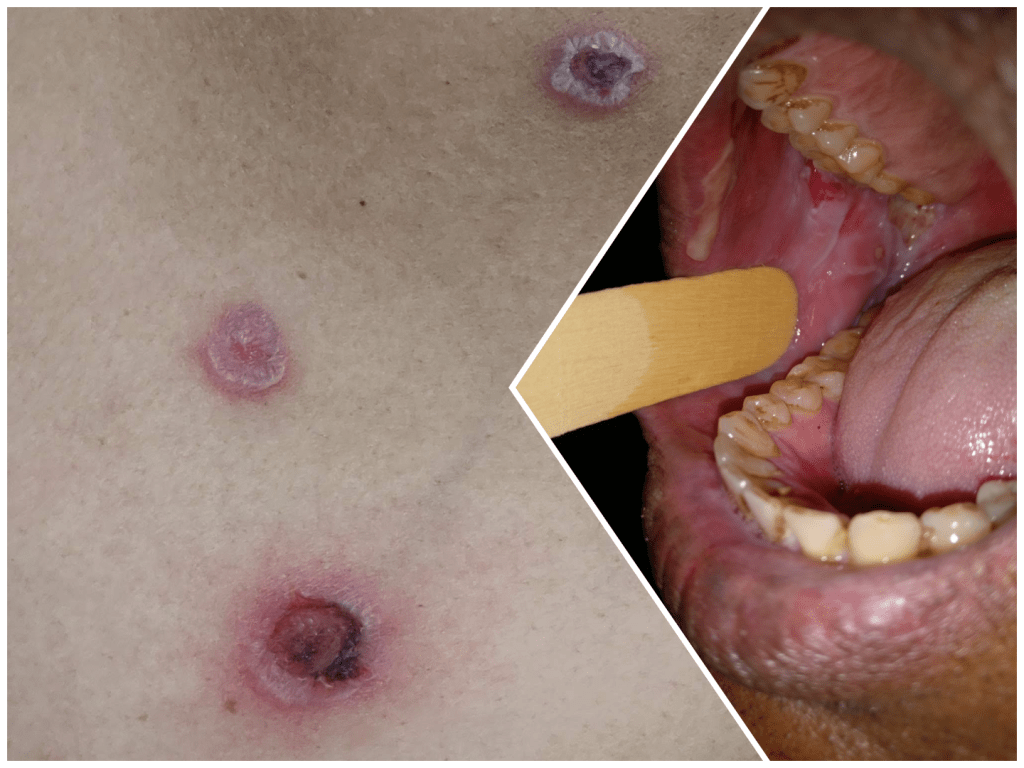
Pemphigus is a rare but serious autoimmune condition that primarily affects the skin and mucous membranes, causing painful blisters and sores. This blog aims to provide an in-depth understanding of pemphigus, its symptoms, diagnosis, treatment options, and the importance of raising awareness, especially in India, where awareness of this condition remains limited.
What is Pemphigus?
Pemphigus is a group of autoimmune disorders that cause the body’s immune system to mistakenly attack healthy cells in the skin and mucous membranes, leading to blistering and erosion. It is often divided into two primary types:
- Pemphigus Vulgaris: The most common form, which typically affects the skin and mucous membranes, such as the mouth, throat, and genitals.
- Pemphigus Foliaceus: A form of pemphigus that primarily affects the skin. Although it is often considered a milder form, it can also present with severe symptoms, particularly if left untreated. This variant can cause widespread skin lesions and, in some cases, be more difficult to manage than previously thought.
Though pemphigus can affect anyone, it is more common in adults, especially between the ages of 40-60 years. However, pemphigus can also occur in younger individuals, particularly in India, where genetic factors may contribute to the condition’s prevalence in younger populations.
Symptoms and Signs of Pemphigus
The primary symptom of pemphigus is the formation of blisters on the skin and mucous membranes, but the way these blisters present can vary:
- Painful Blisters: The blisters often start as soft, fluid-filled sacs that rupture easily, leading to painful sores.
- Mucosal Involvement: In pemphigus vulgaris, blisters are common in the mouth, throat, and even the eyes, leading to difficulty swallowing, speaking, or even seeing.
- Skin Eruptions: The skin lesions can be itchy and sore. As they burst, they may leave raw, crusted areas that are vulnerable to infections.
Due to the fragility of the blisters, they may spread quickly across the body, leading to extensive skin damage.
Causes and Risk Factors
Pemphigus is an autoimmune disorder, meaning the body’s immune system mistakenly targets healthy tissues. In pemphigus, the immune system produces antibodies against desmogleins, which are proteins that help skin cells stick together. This leads to the separation of skin cells, resulting in blisters.
The exact cause of pemphigus is not fully understood, but several factors may contribute:
- Genetic Factors: Some genetic mutations and family history may increase susceptibility.
- Environmental Triggers: Infections, pesticides, and certain medications (such as penicillamine) are common environmental triggers that can exacerbate symptoms, especially in individuals with a genetic predisposition to pemphigus.
- Ethnic Prevalence: Pemphigus is more common in certain populations, with higher rates found in people of Jewish or Mediterranean descent. In India, pemphigus is prevalent but often underdiagnosed due to limited awareness and healthcare access.
Diagnosing Pemphigus
To confirm a diagnosis of pemphigus, we typically rely on:
- Clinical Examination: A thorough examination of the blisters and skin lesions.
- Skin Biopsy: A small sample of affected skin may be taken to examine the characteristic changes under a microscope.
- Direct Immunofluorescence: This test detects the presence of antibodies in the skin, confirming an autoimmune response.
- Blood Tests: These can identify antibodies associated with pemphigus, such as anti-desmoglein antibodies.
Prompt diagnosis is critical, as untreated pemphigus can lead to severe complications, including infections, sepsis, or even death.
Treatment Options for Pemphigus
Currently, but the condition can be managed with various treatments aimed at controlling the immune system, reducing symptoms and increasing the duration of blister-free days:
- Corticosteroids: Prednisone or other steroids are often the first line of treatment to reduce inflammation and control the immune response.
- Immunosuppressive Medications: Drugs like azathioprine, mycophenolate mofetil, or methotrexate can help suppress the immune system to prevent further blister formation.
- Biologic Therapies: Rituximab, a monoclonal antibody, has shown promise in treating pemphigus by targeting specific immune cells.
- Plasmapheresis: In severe cases, this procedure may be used to remove harmful antibodies from the bloodstream.
- Topical Care: Pain management and skin care are essential to prevent secondary infections and improve quality of life.
In India, access to specialized treatments may be limited in certain regions, and the cost of therapies like biologics can be prohibitive, making it even more important to raise awareness about the condition and the available treatment options.
Living with Pemphigus: Quality of Life and Support
For those living with pemphigus, the impact on daily life can be significant. The chronic nature of the condition requires ongoing treatment and monitoring, which can lead to physical and emotional challenges. Here are some key points for managing pemphigus in daily life:
- Skin Care: Regular moisturizing, avoiding harsh chemicals, and protecting the skin from infection are essential for managing symptoms.
- Diet and Nutrition: Due to oral lesions, individuals may have difficulty eating. A soft or liquid diet may be necessary during flare-ups.
- Psychological Support: Dealing with a visible, chronic condition can cause stress, anxiety, and depression. Psychological support, counseling, and connecting with support groups are crucial for mental well-being.
Raising Awareness in India
In India, pemphigus remains underrecognized, and many individuals go undiagnosed or are misdiagnosed due to the rarity of the disease and lack of awareness. By raising awareness among the public, healthcare providers, and patients, we can work toward better early detection, improved treatment access, and support for those affected.
Education campaigns, collaboration with dermatologists, and the establishment of support networks are essential steps in ensuring that individuals with pemphigus get the care they deserve.
The Author’s Experience with Pemphigus
As a healthcare professional with extensive experience in diagnosing and treating pemphigus, the author has witnessed firsthand the challenges that patients face, particularly in India. Over the years, the author has published several research papers on pemphigus, contributing to the growing body of knowledge on this condition. These publications have helped to further the understanding of pemphigus and raise awareness about its diagnosis and treatment options.
Gupta V, Ahuja R, Sindhuja T, Imran S, Kumar Viswanathan G, Kumar Tembhre M, Pandey S, Khandpur S. Clinical and immunological predictors of post-rituximab paradoxical pemphigus flare: A prospective cohort study. Indian J Dermatol Venereol Leprol. 2025 Jan-Feb;91(1):3-8. doi: 10.25259/IJDVL_894_2023.
Gupta V, Ahuja R, Sindhuja T, Imran S, Viswanathan GK, Tembhre MK, Pandey S, Khandpur S. Secondary skin infection as trigger for post-rituximab paradoxical pemphigus flare? Indian J Dermatol Venereol Leprol. 2024 May 30:1-2. doi: 10.25259/IJDVL_615_2024.
Sindhuja T, De D, Handa S, Goel S, Mahajan R, Kishore K. Pemphigus Oral Lesions Intensity Score (POLIS): A Novel Scoring System for Assessment of Severity of Oral Lesions in Pemphigus Vulgaris. Front Med (Lausanne). 2020 Sep 2;7:449. doi: 10.3389/fmed.2020.00449.
Conclusion
Pemphigus is a complex autoimmune disorder that requires attention, understanding, and a multidisciplinary approach to management. While treatment options have advanced significantly, awareness remains a key challenge, especially in countries like India. By raising awareness and promoting early diagnosis, we can improve the quality of life for patients and ensure that they receive the appropriate care and support.
For individuals affected by pemphigus, it’s important to remember that although the journey may be challenging, advancements in treatment offer hope for better management and a brighter future.
 Dr. Sindhuja T, MD
Leave a comment