
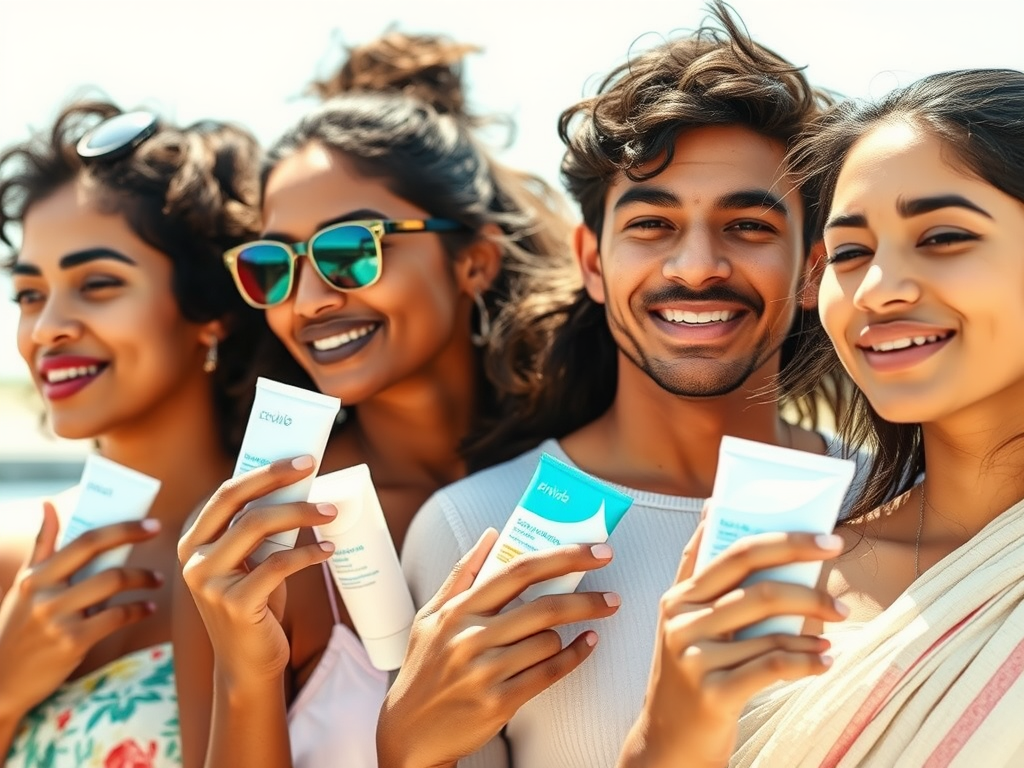
Are sunscreens necessary for Indian skin? Absolutely! Explore the benefits, types (including tinted and blue light sunscreens), how to apply them, side effects, and their importance in autoimmune skin conditions.
🌞 Do Indians Really Need Sunscreen?
Yes, 100%! Despite popular belief, Indian skin—rich in melanin—still needs daily sun protection. While melanin offers some natural UV defense, it’s not enough to prevent:
- Sunburn and tanning
- Hyperpigmentation and melasma
- Premature aging
- Risk of skin cancers (like squamous cell carcinoma)
India’s tropical climate and high year-round UV index make sunscreen non-negotiable—whether you’re walking in the sun or sitting by a window.
🧴 Why Sunscreen Is a Must for Indian Skin
☀️ UV Rays Don’t Discriminate
Ultraviolet (UV) rays—UVA and UVB—penetrate all skin tones, causing:
- Wrinkles
- Dark spots
- Collagen breakdown
- Sun sensitivity and flare-ups in autoimmune diseases
💻 Even Indoors Isn’t Safe
Blue light emitted from screens (phones, laptops) can worsen pigmentation and cause oxidative stress—especially in deeper skin tones.
🔍 Types of Sunscreens in India: Find Your Match
1. Chemical Sunscreens
- How they work: Absorb UV rays and convert them into heat.
- Ideal for: Normal to oily skin
- Pros: Lightweight, no white cast
- Cons: May irritate sensitive skin
- Look for: Avobenzone, Octinoxate, Oxybenzone (use with caution)
2. Physical (Mineral) Sunscreens
- How they work: Reflect UV rays
- Ideal for: Sensitive or dry skin
- Pros: Soothing, stable under sunlight
- Cons: Can leave a white cast
- Key ingredients: Zinc oxide, Titanium dioxide
3. Hybrid Sunscreens
- Blend of: Chemical + physical filters
- Pros: Broad-spectrum protection, fewer irritants, minimal white cast
- Best for: All skin types, including combination skin
4. Tinted Sunscreens
- Perfect for: Indian skin tones prone to hyperpigmentation
- Bonus: Protect against visible light and even out skin tone
- Look for: Iron oxides, Zinc oxide
5. Blue Light Sunscreens
- Ideal for: People exposed to digital screens for long hours
- Benefits: Shields against blue/violet light
- Key actives: Iron oxides, Niacinamide, Antioxidants (Vitamin C, E)
🧬 Sunscreen Use in Connective Tissue Disorders (Lupus, Scleroderma, Dermatomyositis)
Patients with autoimmune conditions are often photosensitive, meaning sun exposure can trigger skin flares, rashes, and systemic symptoms.
✅ Why it’s critical:
- Prevents UV-induced skin lesions
- Reduces disease flares
- Essential as part of medical therapy
🧴 Recommendations:
- Use SPF 30+ broad-spectrum sunscreen with PA+++
- Opt for mineral or tinted sunscreens (less irritating)
- Reapply every 2–3 hours when outdoors
- Combine with physical protection (hats, UPF clothing, shade)
✨ How to Apply Sunscreen Effectively (and Get the Full Benefits)
📌 Application Tips:
- Use the two-finger rule for face and neck.
- Apply on clean, moisturized skin, 15–30 minutes before sun exposure.
- Reapply every 2–3 hours, especially if sweating or outdoors.
- Don’t skip ears, neck, hands, and lips.
👶 For Children:
Use mineral-based, fragrance-free sunscreens (SPF 30+).
💡 Top Benefits of Using Sunscreen Daily
✅ Prevents tanning & uneven skin tone
✅ Controls acne marks and melasma
✅ Protects from blue light damage
✅ Slows signs of aging (wrinkles, sagging)
✅ Lowers skin cancer risk
✅ Improves overall skin texture and glow
⚠️ Side Effects of Sunscreen: What You Need to Know
Common Concerns:
- Breakouts: Choose non-comedogenic, gel-based options.
- White cast: Tinted sunscreens help, especially on dusky skin.
- Allergies: Fragrance-free and physical sunscreens are safest.
🚫 Does Sunscreen Cause Cancer?
No! In fact, sunscreen reduces the risk of skin cancer by blocking harmful UV rays. Concerns about ingredients like oxybenzone are debated, but India-regulated sunscreens follow safe concentration limits. Avoid Oxybenzone if concerned.
📝 Sunscreen Is Not Optional for Indian Skin
Whether you’re battling pigmentation, protecting against lupus flares, or simply avoiding premature aging—daily sunscreen use is your skin’s best defense. Choose the right formula, apply it religiously, and enjoy brighter, healthier skin for years to come.
Ready to protect your skin the right way?
Explore dermatologist-approved sunscreens or consult with a skin expert today.
 Dr. Sindhuja T, MD
Leave a comment