
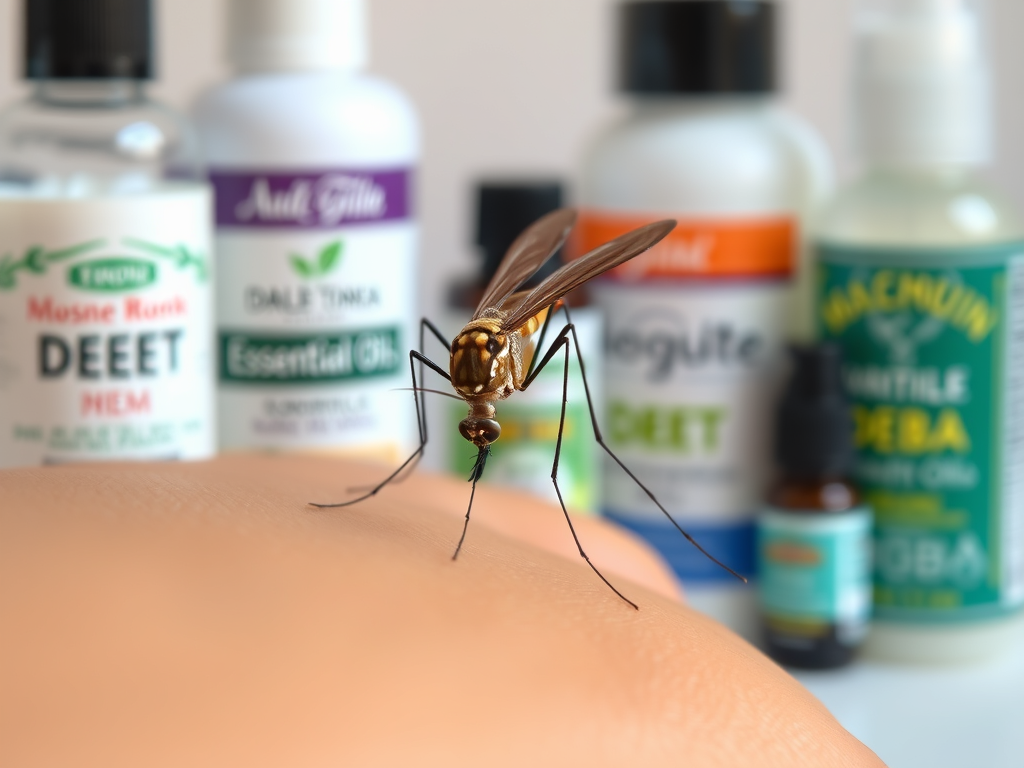
Mosquito-borne illnesses like malaria, dengue, and chikungunya continue to be major health threats across India, especially during the monsoon and post-monsoon seasons. Mosquito repellents offer an essential layer of protection, but with a wide range of products available—from chemical creams and vaporizers to natural essential oil blends—how do you know which one is right for you and your family?
This guide compares chemical and natural repellents, explains their permissible usage, and highlights safety guidelines for children.
🔬 Chemical Mosquito Repellents: DEET, DEBA, and More
1. DEET (N,N-Diethyl-meta-toluamide)
Overview:
DEET is globally recognized as a gold standard for mosquito repellent efficacy. It masks human scents that attract mosquitoes, making it highly effective.
Concentration and Efficacy:
- <10% DEET: ~2 hours of protection
- ~24% DEET: ~5 hours of protection
- 30% DEET: Optimal balance of protection and safety
- Higher concentrations: Marginally longer protection, but increased risk of side effects
Usage in India:
- Rare in Indian retail products but available in imported repellents or military-grade kits.
Child Safety Guidelines:
- Ages 2–12: Use DEET concentrations ≤10%
- Infants <2 years: Consult a pediatrician
- Avoid hands, mouth, eyes; do not allow children to self-apply
- Do not use on broken or irritated skin
- Wash off after returning indoors
2. DEBA (N,N-Diethyl-benzamide): India’s Common Alternative
What is it?
DEBA is the active chemical used in most Odomos products, specially developed in India to provide effective protection in tropical environments.
Efficacy and Concentration:
- 10–12% DEBA in Odomos products
- Offers up to 8 hours of protection
- Effective against Aedes, Anopheles, and Culex mosquitoes
Child Safety & Usage:
- Above 2 years: Safe to use
- Under 2 years: Use only under medical advice
- Apply only to exposed skin
- Avoid near eyes, lips, or cuts
- Reapply after heavy sweating or washing
- Conduct a patch test on first use
3. Other Chemical Repellents in India
| Ingredient | Product Type | Brands | Notes |
|---|---|---|---|
| Transfluthrin | Vaporizer | Good Knight, All Out | Potent indoor repellent. Can cause respiratory issues in enclosed rooms. |
| Permethrin | Coils/Mats | Mortein, Maxo | Present in 0.3% concentration. Use in well-ventilated areas. |
🌿 Natural Mosquito Repellents: Plant-Based & Essential Oil Options
Many parents and sensitive users prefer natural mosquito repellents. These use essential oils like citronella, clove, eucalyptus, and lemongrass.
Popular Natural Ingredients
| Ingredient | Typical Protection | Notes |
|---|---|---|
| Citronella Oil | 1–2 hours | Common in candles, creams, and patches |
| Clove Oil | ~1 hour | Can be irritating if not diluted properly |
| Lemongrass Oil | ~1–2 hours | Soothing, but may need frequent reapplication |
| Odomos Naturals | 2–3 hours | Blend of oils with aloe vera for gentle use |
Cautions:
- Shorter protection vs. chemical repellents
- Must be reapplied frequently
- May cause irritation in sensitive skin—always patch test first
- Not ideal in high mosquito-density zones
📋 Permissible Limits and Regulatory Guidelines
Although India does not have stringent regulatory standards for repellents, general guidelines include:
| Product Type | Permissible Actives | Notes |
|---|---|---|
| Creams & Lotions | Up to 12% DEBA or natural oils | Safe for skin, easy to apply, best for children |
| Vaporizers | Transfluthrin (no standard %) | Must carry childproof warnings |
| Coils & Mats | 0.3% Permethrin | May cause eye or respiratory irritation if misused |
🧒 Child Safety: Repellents and Age Guidelines
✅ Recommended Products by Age
| Age Group | Recommended Repellents | Avoid |
|---|---|---|
| <2 years | Only under pediatric supervision | Coils, vaporizers, and untested essential oils |
| 2–12 years | DEET ≤10%, DEBA creams, Odomos Naturals | Aerosol sprays and high-DEET products |
| >12 years | Most products with caution | Direct contact with coils or inhalation risks |
🛡️ Application Tips
- Apply to your hands first, then gently to child’s exposed skin
- Avoid hands, eyes, mouth, and cuts
- Reapply as per instructions, especially after sweating
- Wash off once indoors
- Store all repellents out of children’s reach
🧠 Quick Checklist for Vaporizer Safety
| Precaution | ✅ Yes / ❌ No |
|---|---|
| Use in well-ventilated rooms | ✅ Yes |
| Keep away from cribs and food areas | ✅ Yes |
| Leave room for 30 min after switching on | ✅ Yes |
| Use in newborn or infant rooms | ❌ No |
| Keep vaporizer on 24/7 | ❌ No |
🛍️ Top Commercial Brands in India: Quick Comparison
| Brand/Product | Type | Active Ingredient | Safe For Kids? | Notes |
|---|---|---|---|---|
| Odomos Cream | Cream | DEBA (10–12%) | Yes (≥2 years) | Long-lasting, dermatologically safe |
| Odomos Naturals | Cream | Citronella, Lemongrass oils | Yes (≥2 years) | Plant-based, mild formula |
| Good Knight/All Out | Vaporizer | Transfluthrin | Caution (≥2 years) | Keep out of baby’s room |
| Mortein Coil | Coil | Permethrin (0.3%) | Caution (≥2 years) | Ensure good ventilation |
| Thermacell E90 | Diffuser | Allethrin | No official rating | Not widely available in India |
🏠 Indoor and Outdoor Use: What to Choose
| Environment | Best Option | Avoid |
|---|---|---|
| Indoor (baby room) | Natural repellents, nets | Vaporizers or coils |
| Outdoor (evening walk) | Odomos cream (DEBA/Naturals) | Short-acting oils unless reapplied often |
| High mosquito zones | DEET (≤30%) for adults, DEBA for kids | Solely natural oils |
✅ Final Takeaway: Choose Wisely, Apply Safely
Choosing the right mosquito repellent means finding the balance between effectiveness and safety. Here’s a quick summary:
- Chemical repellents (DEET, DEBA): Longer protection, ideal for heavy exposure
- Natural repellents: Gentler, but need frequent reapplication
- Always read labels, do patch tests, and follow age-based recommendations
- For infants, consult your doctor before using any repellent
With the right repellent and good mosquito control habits, you can safeguard your family from vector-borne diseases—especially during peak mosquito seasons in India.
📌 For more updates on child-safe skincare, health essentials, and monsoon hygiene tips, follow our blog.
 Dr. Sindhuja T, MD
Leave a comment